Influencer Marketing: A Complete Guide for Businesses in 2026
Introduction
Influencer marketing has become one of the most effective digital marketing strategies for businesses looking to reach a wider audience and build trust with potential customers. In today’s digital world, people spend a significant amount of time on social media platforms watching content created by influencers. These influencers have built loyal communities that trust their recommendations, opinions, and experiences.
As traditional advertising becomes less effective in capturing attention, brands are increasingly partnering with influencers to promote products and services in a more authentic and engaging way. Influencer marketing helps businesses connect with target audiences naturally while increasing brand awareness, credibility, and sales.
This guide explains influencer marketing, its benefits, types, strategies, and best practices for achieving successful marketing campaigns.
What Is Influencer Marketing?

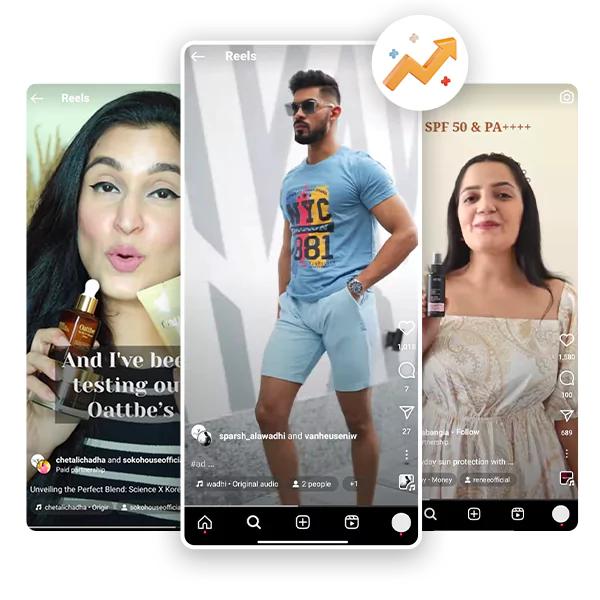
Influencer marketing is a digital marketing strategy where brands collaborate with individuals who have a strong online presence and a dedicated following. These individuals, known as influencers, create content that promotes a company’s products or services to their audience.
Influencers can be found on various social media platforms such as Instagram, YouTube, TikTok, Facebook, LinkedIn, and blogs. Because their followers trust their opinions, influencer recommendations often have a stronger impact than traditional advertisements.
Instead of directly advertising to consumers, brands use influencers as trusted voices to introduce products, demonstrate usage, share experiences, and encourage purchases.
Why Influencer Marketing Is Important
Modern consumers often research products before making purchasing decisions. They look for reviews, recommendations, and real-life experiences from people they trust. Influencers help bridge the gap between businesses and consumers by providing authentic content that feels more personal than traditional advertisements.
Several factors contribute to the growing importance of influencer marketing:
Increased Consumer Trust
People tend to trust recommendations from influencers more than promotional advertisements. Authentic reviews and experiences help build confidence in products and services.
Better Audience Targeting
Influencers usually focus on specific niches such as fitness, fashion, technology, travel, beauty, education, or finance. Businesses can partner with influencers whose audience matches their target market.
Higher Engagement
Influencer content often generates strong engagement through likes, comments, shares, and conversations, increasing brand visibility.
Improved Brand Awareness
Collaborating with influencers introduces brands to new audiences that may not have discovered them through traditional marketing channels.
Increased Conversions
When influencers recommend products genuinely, followers are more likely to make purchases or take desired actions.
Types of Influencers
Influencers are commonly categorized based on their follower count.
Nano Influencers
Nano influencers typically have between 1,000 and 10,000 followers. Although their audience size is smaller, they often maintain strong personal relationships with followers and achieve high engagement rates.
Micro Influencers
Micro influencers generally have between 10,000 and 100,000 followers. They are considered highly valuable because they combine niche expertise with strong audience trust.
Macro Influencers
Macro influencers usually have audiences ranging from 100,000 to 1 million followers. They offer broader reach and increased brand exposure.
Mega Influencers
Mega influencers have over one million followers and often include celebrities, public figures, and major content creators. They provide massive visibility but typically require larger marketing budgets.
Popular Influencer Marketing Platforms

Businesses use various platforms depending on their audience and campaign goals.
Instagram remains one of the most popular influencer marketing platforms. Influencers create posts, reels, stories, and live sessions to promote products and services.
YouTube
YouTube allows influencers to create detailed product reviews, tutorials, demonstrations, and educational content that can generate long-term visibility.
TikTok
TikTok is ideal for short-form video content. Creative campaigns can quickly become viral and reach millions of viewers.
Facebook influencers use videos, groups, live streams, and posts to engage with communities and promote brands.
LinkedIn influencer marketing is particularly effective for B2B companies, professional services, and industry thought leadership.
Blogs
Many influencers operate blogs where they publish detailed product reviews, guides, and recommendations that can improve search engine visibility.
Benefits of Influencer Marketing
Builds Brand Credibility
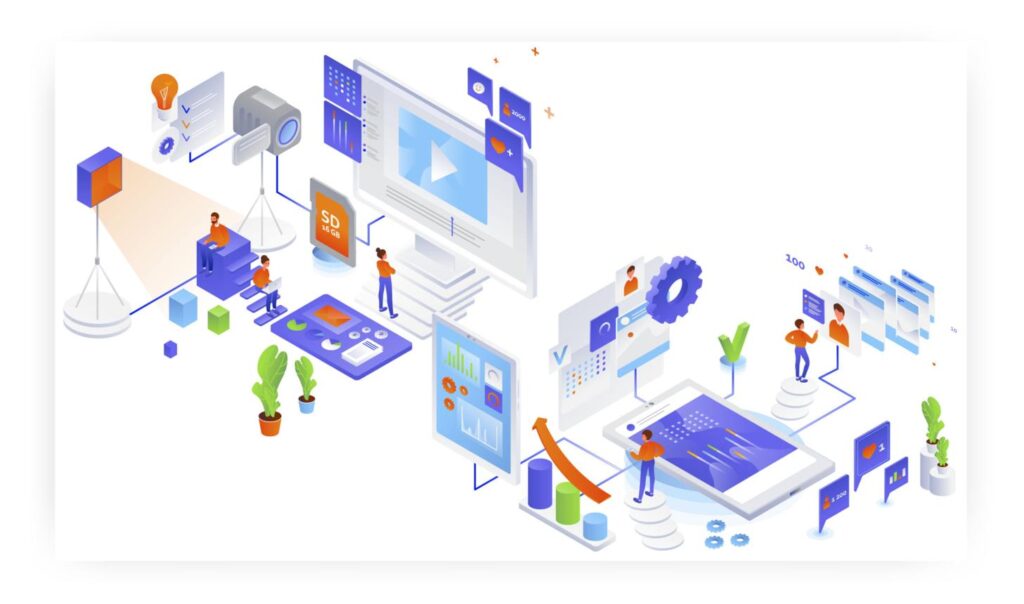
When respected influencers recommend a product, their audience often views the recommendation as trustworthy. This credibility can strengthen a brand’s reputation.
Generates Quality Leads
Influencers attract audiences interested in specific topics. This targeted exposure can generate high-quality leads that are more likely to convert.
Enhances Content Creation
Influencers are skilled content creators. Their creativity helps businesses produce engaging content without developing everything internally.
Improves Social Proof
Consumers often look for evidence that others trust a brand. Influencer endorsements provide valuable social proof that encourages purchasing decisions.
Supports SEO and Online Visibility
Influencer-generated content can increase website traffic, social mentions, and brand awareness, contributing to a stronger online presence.
Delivers Measurable Results
Businesses can track engagement rates, clicks, conversions, impressions, and return on investment to evaluate campaign success.
How Influencer Marketing Works
A successful influencer marketing campaign usually follows several steps.
https://agencies.semrush.com/list/smm/india/
Define Campaign Goals
Businesses first identify objectives such as increasing brand awareness, generating leads, promoting products, or boosting sales.
Identify Relevant Influencers
The next step involves selecting influencers whose audience aligns with the target market. Relevance is often more important than follower count.
Establish Partnerships
Brands negotiate campaign requirements, content expectations, timelines, and compensation arrangements with influencers.
Create Authentic Content
Influencers develop content that naturally integrates the brand’s products or services into their usual content style.
Publish and Promote
The content is shared with followers through posts, videos, stories, blogs, or livestreams.
Measure Performance
Campaign metrics are analyzed to determine effectiveness and identify opportunities for improvement.
Best Practices for Influencer Marketing
Choose Authentic Influencers
Partner with influencers who genuinely align with your brand values and target audience. Authentic partnerships typically produce better results.
Focus on Engagement
An influencer with highly engaged followers may provide more value than one with a much larger but less active audience.
Allow Creative Freedom
Influencers understand their audience better than anyone. Giving them flexibility often results in more natural and effective content.
Set Clear Expectations
Clearly communicate campaign objectives, deadlines, content requirements, and performance expectations.
Monitor Campaign Results
Track important metrics including engagement, website traffic, sales, conversions, and audience growth.
Build Long-Term Relationships
Long-term collaborationsoften generate greater trust and stronger results than one-time promotions.
Common Challenges in Influencer Marketing
While influencer marketing offers numerous benefits, businesses may encounter certain challenges.
Finding suitable influencers within budget
Measuring exact return on investment
Managing multiple influencer relationships
Ensuring content authenticity
Complying with advertising regulations
Avoiding influencer fraud and fake followers
Careful planning and thorough research help minimize these challenges.
The Future of Influencer Marketing
Influencer marketing continues to evolve as social media platforms introduce new features and technologies. Artificial intelligence, advanced analytics, virtual influencers, live shopping experiences, and personalized content strategies are shaping the future of this marketing approach.
Consumers increasingly value authenticity, transparency, and genuine recommendations. As a result, brands are shifting toward partnerships with niche influencers who maintain strong relationships with their audiences.
Video content, interactive experiences, and community-focused campaigns are expected to dominate influencer marketing strategies in the coming years.
Conclusion
Influencer marketing has transformed the way businesses connect with consumers in the digital age. By partnering with trusted content creators, brands can reach highly targeted audiences, build credibility, increase engagement, and drive sales. Whether working with nano influencers or global celebrities, successful influencer marketing depends on authenticity, strategic planning, and meaningful audience connections. As digital marketing continues to evolve, influencer marketing remains one of the most valuable tools for businesses seeking sustainable online growth.
No responses yet